
Every blender company can call its machine powerful, durable, or heavy-duty, which is exactly why those words carry so little weight by themselves. The advertiser gets to make the claim, while the prospect is expected to supply the belief.
𝗕𝗹𝗲𝗻𝗱𝘁𝗲𝗰 found a better arrangement.
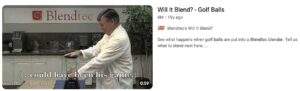
In its 𝘞𝘪𝘭𝘭 𝘐𝘵 𝘉𝘭𝘦𝘯𝘥? videos, founder Tom Dickson fed the machine golf balls, marbles, rake handles, and other objects no reasonable person would put into a blender. Then viewers watched the blades tear them apart.
That changed the persuasion problem.
Blendtec no longer had to say, “Trust us, this thing is powerful.” A golf ball turning to powder made the argument in a form that was harder to shrug off.
Many advertisers treat proof as an afterthought. First they write the claim: powerful, fast, durable, easy, superior. Then they go looking for testimonials, statistics, credentials, and explanations to support it.
Sometimes that is backwards.
Instead of saying the product is durable, abuse it. Instead of saying it is fast, time it. Instead of saying it is easy, hand it to a beginner and let people watch.
But the demonstration has to prove something buyers care about. A spectacular stunt that reveals nothing useful about the product is just entertainment.
Blendtec reportedly launched its first videos with about $50 in spending, and the company later reported roughly 700% growth in home-product sales, although that doesn’t establish how much of the increase the videos caused.
That’s the standard to carry into your own copy: when you write an adjective, ask whether you can make the prospect witness the evidence instead.
𝗧𝗵𝗲 𝘀𝘁𝗿𝗼𝗻𝗴𝗲𝘀𝘁 𝗽𝗿𝗼𝗼𝗳 𝗺𝗮𝘆 𝗯𝗲 𝘁𝗵𝗲 𝗽𝗿𝗼𝗼𝗳 𝘁𝗵𝗮𝘁 𝗹𝗲𝘁𝘀 𝘆𝗼𝘂 𝗱𝗲𝗹𝗲𝘁𝗲 𝘁𝗵𝗲 𝗮𝗱𝗷𝗲𝗰𝘁𝗶𝘃𝗲.
RW
.
.
.