
The moment a prospect realizes they’re reading copy, their arms fold, their brow furrows, and an internal interrogation begins:
Will it? Says who? What aren’t you telling me?
Most copy ignores this wall of doubt. The writer makes a bold claim, drops in a few testimonials, and operates under the hopeful delusion that the reader is nodding along:
“This program will transform your business.”
But they aren’t nodding. They’re looking for the trap doors.
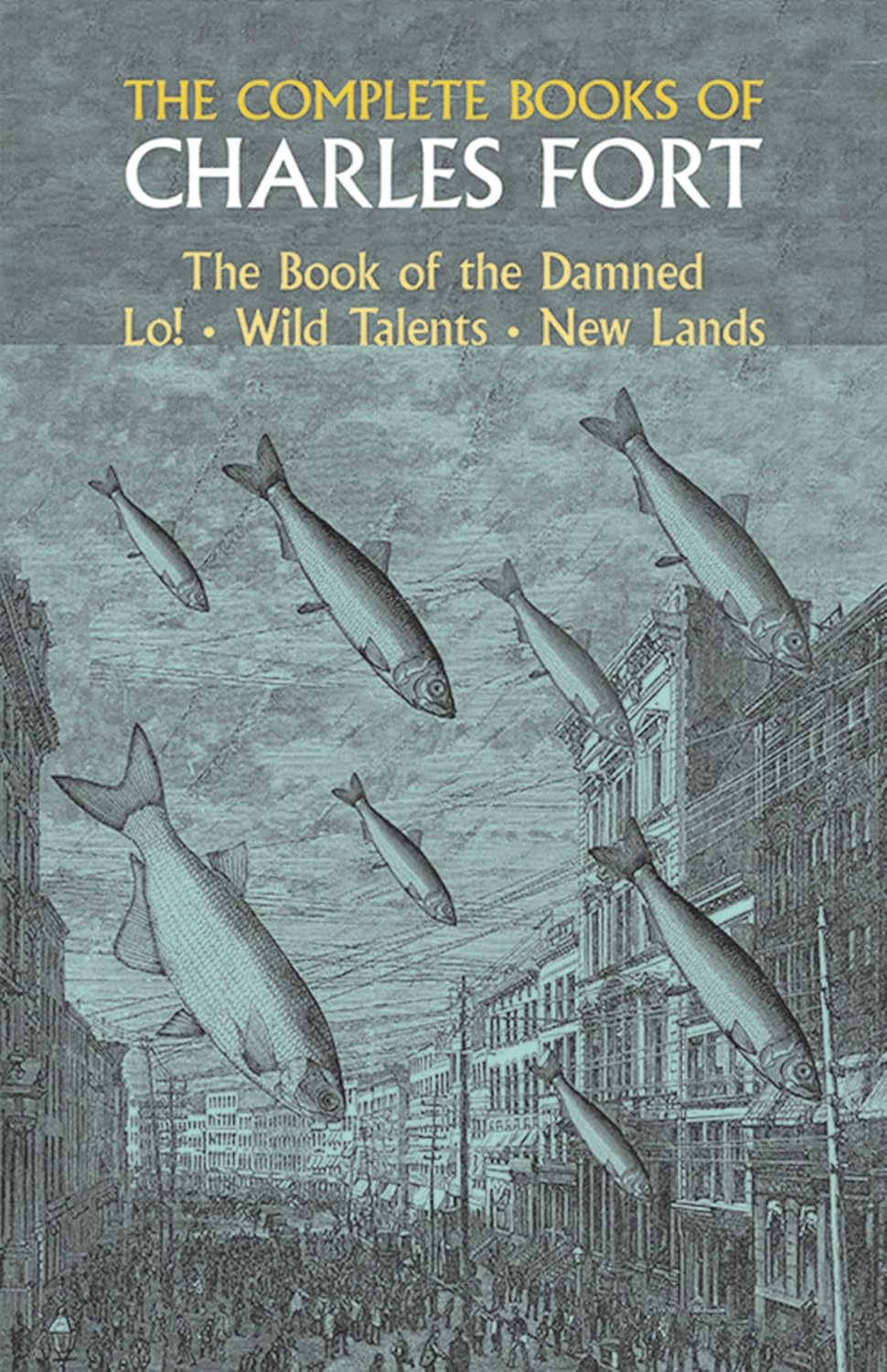
In the early 20th century, writer Charles Fort built a career collecting unexplained phenomena: falling frogs, odd astronomical sightings, weird coincidences. But what made Fort legendary wasn’t the weirdness; it was his relationship with the reader.
Fort wrote as if the most skeptical person in the room was sitting across from him, waiting for him to overreach. Instead of trying to force certainty, he made doubt part of his method. He didn’t treat “maybe” as a defeat, he treated it as a reasonable starting point.
Don’t treat skepticism as a wall you have to batter down.
Instead of trying to out-yell their doubt:
“This program will transform your business.”
Invite their doubt into the conversation:
“You’ve heard promises like this before, and most collapse the second you ask for proof. Good. Ask.”
Now the reader’s natural cynicism isn’t fighting your copy. It’s participating in it.
Try framing your claims with lines like:
“Here’s the part I’d be skeptical of if I were you…”
“There are three obvious reasons this might not work for your team…”
“Don’t take my word for it. Test this single line in your next draft and see.”
“Trust me” puts you and the reader on opposite sides of a desk, negotiating.
“Look at this with me” puts you on the same side, looking at the same piece of evidence.
Don’t merely answer the objection. Egg it on.
RW
.
.
.