
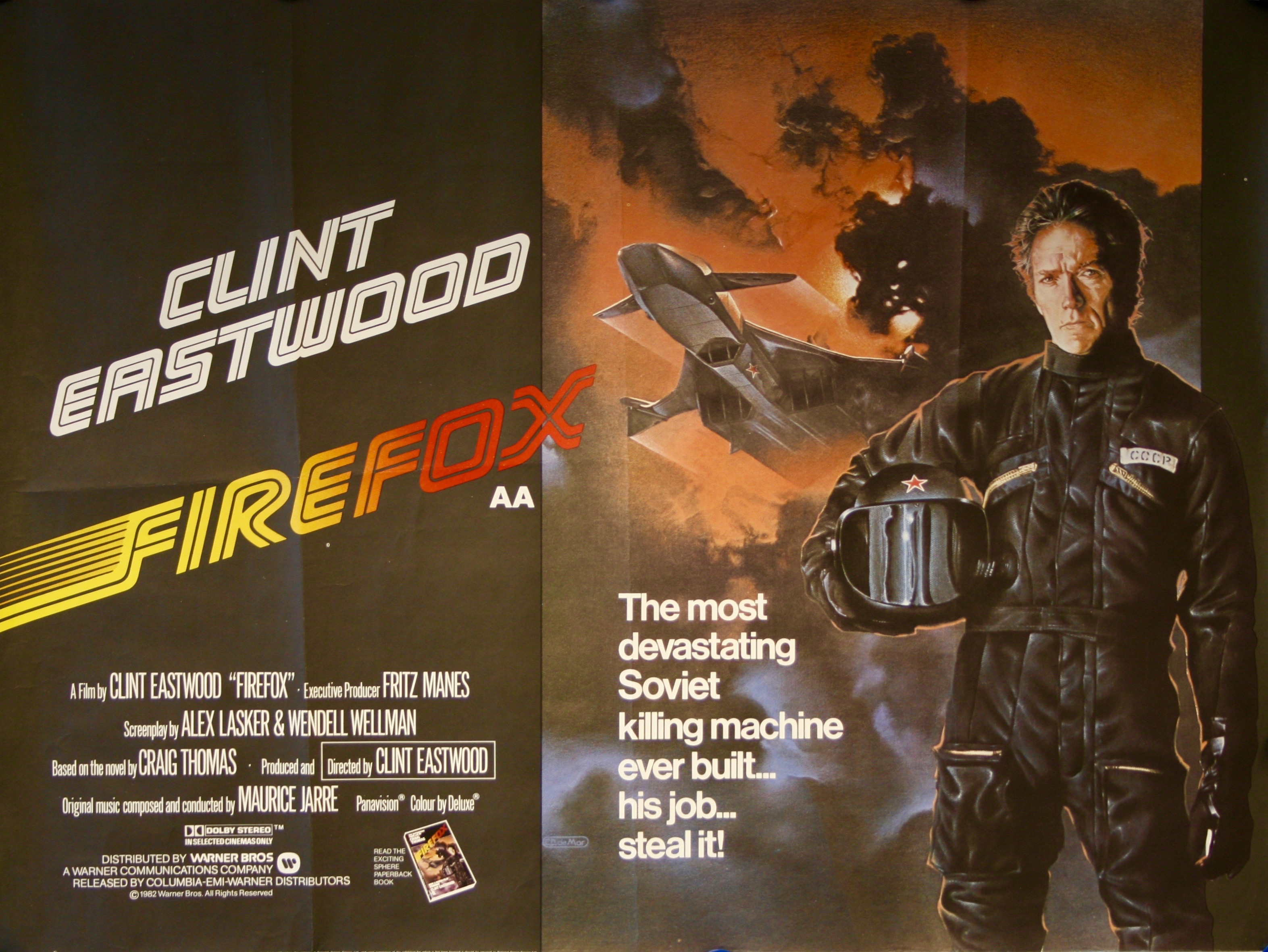
When I was a kid, my mother took me to see 𝘍𝘪𝘳𝘦𝘧𝘰𝘹, starring Clint Eastwood.
On the way to the theater, she casually mentioned that Eastwood also directed the movie.
This information nearly melted my brain.
I knew what actors did. They stood in front of cameras, said their lines, and occasionally punched bad guys.
I knew what directors did. They stood behind cameras, shouted instructions, and told actors when they screwed up.
But how could Eastwood do both?
Who told him where to stand? Who yelled “Cut!” when he flubbed a line?
And most importantly, who had the nerve to tell Dirty Harry his acting stunk?
I eventually learned that directors have plenty of help. Assistant directors, cinematographers, editors, and other professionals contribute to making a movie.
But that childhood mystery raises an interesting problem for copywriters.
𝗪𝗵𝗼 𝗱𝗶𝗿𝗲𝗰𝘁𝘀 𝗬𝗢𝗨𝗥 𝗽𝗲𝗿𝗳𝗼𝗿𝗺𝗮𝗻𝗰𝗲?
Think about it.
You write a headline. Brilliant!
You write the opening. Riveting!
You write the offer. Irresistible!
Then you read the whole thing and congratulate yourself on another masterpiece.
Unfortunately, your prospect wasn’t invited to this little awards ceremony.
She may find your headline confusing, your opening boring, and your offer about as irresistible as a root canal.
And you’ll never know if the only person reviewing your copy is the same genius who wrote it.
That’s why you need outside feedback.
Show your copy to people who weren’t involved in creating it. Watch where they get confused. Ask what they think you’re promising.
Even Clint Eastwood needed other eyes on his movies.
𝗬𝗼𝘂𝗿 𝘀𝗮𝗹𝗲𝘀 𝗰𝗼𝗽𝘆 𝗽𝗿𝗼𝗯𝗮𝗯𝗹𝘆 𝗱𝗼𝗲𝘀, 𝘁𝗼𝗼.
RW
.
.
.