
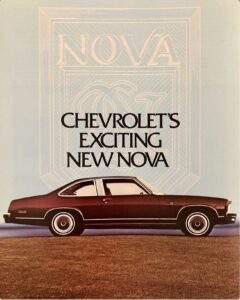
In the 1970s, Chevrolet launched the Nova in Spanish-speaking markets. Despite heavy marketing, sales were abysmal. The reason was a linguistic accident: in Spanish, “no va” translates to “it doesn’t go.” A car named “It Doesn’t Go” is a hard sell, no matter how much you spend on advertising.
While the Chevy Nova is a classic tale of cultural bad luck, modern branding faces a more dangerous challenge: the psychological baggage of connotation.
A product name is the first test of a company’s judgment. When a user encounters a name that triggers a subconscious red flag, they wonder: If they were this careless with their identity, why should I trust them?
Take “Open Router.” To a developer, “open” might signal transparency, ease of use, or an open-source architecture. But to a non-technical user, “open” is a terrifying word. In an era of constant privacy breaches and security threats, “open” sounds like a vulnerability. It suggests a lack of walls, a lack of protection, and a lack of control.
The tragedy of poor naming is that it creates a barrier before the product even has a chance to perform. You might have the most secure, efficient, and revolutionary technology in the world, but if your name triggers a “no go” response, the conversation ends before it begins.
In branding, you aren’t just choosing a label; you are managing the reader’s first instinct. If that instinct is fear, you’ve already lost the sale.
RW
.
.
.